

TL;DR: European Startup Ecosystem Thrives with New VC Funds in 2025
In 2025, several first-time European Venture Capital funds emerged despite fundraising challenges in a competitive market. These new players thrived by focusing on strategic niches like deeptech, AI, healthtech, and climate tech, offering operator-led expertise and targeted value beyond just capital.
• Unique strategies and niche focuses allowed new funds like Helm (Germany) and Onstage (UK) to secure LP trust.
• Resilient founders aligned with VCs prioritizing mentorship and long-term partnerships.
• Startups can gain more from hungry new funds providing operational guidance and deep industry networks.
Takeaway: Founders and LPs should prioritize alignment over size, partnerships with niche-driven funds can lead to outsized long-term impact.
In 2025, we witnessed the emergence of several first-time European VC (Venture Capital) funds that dared to rise above adversity. With the turbulence of previous years making VC fundraising an uphill challenge, the debut of these funds highlights resilience, ingenuity, and an unwavering belief in European innovation. As someone who has lived and breathed the startup world for years, I find this development particularly compelling. It’s not just about money; it’s about new players bringing fresh ideas into the ecosystem. Whether you’re a startup founder, an entrepreneur, or an aspiring VC yourself, understanding the “why” and “how” behind these funds’ success is critical.
From what I’ve experienced, launching anything for the first time, be it a startup, a new idea, or an investment fund, requires more than capital. It demands clarity of purpose, alignment with market needs, and the rare ability to think strategically while remaining agile. These newly founded VC funds achieved something extraordinary in the face of LP hesitation, saturated markets, and tightening purse strings. Let’s delve into what makes these funds noteworthy, what lessons they offer, and how they’re shaping the European startup ecosystem for years to come. Spoiler alert: A few of these have implications for anyone, not just investors.
What were the challenges for first-time European VC funds in 2025?
Building a debut fund in 2025 wasn’t for the faint-hearted. After years of speculations about market cooldowns, investors held on tightly to their money, scrutinizing every allocation with a magnifying glass. This environment, a mixture of post-pandemic market shifts and a world grappling with geopolitical tensions, made European VC fundraising more stringent and competitive.
- Fewer exits: IPO markets remained sluggish, limiting returns for Limited Partners (LPs).
- LP skepticism: Established funds dominated fundraising, leaving little room for first-time fund managers.
- Market crowding: Europe’s established funds like Atomico and Balderton raised megafunds, casting large shadows over newcomers.
- High stakes: Startups leaned on fewer larger VC deals, reducing the volume of early momentum opportunities.
Here’s the twist: that exact environment made room for differentiated funds, those led by operators, entrepreneurs, and subject-matter experts who could demonstrate value beyond just finances. The LPs that trusted these newcomers are betting on their “operator-led insights” and smaller, laser-focused theses aligned with emerging trends like deeptech, AI, and climate tech.
Who are the most notable first-time European funds of 2025?
As you read through this, note how geographically and sectorally diverse these funds are. This diversity showcases Europe’s breadth of talent and innovative capacity. These funds didn’t aim for blanket dominance, they built deep, niche strategies that aligned perfectly with their founders’ expertise.
- Onstage, UK: A £10 million early-stage fund supporting pre-seed and seed startups, with LPs like top consumer tech founders.
- Catalpa Ventures, Luxembourg: €10 million raised for its Catalpa Health Fund, focusing on healthtech innovations with goal-oriented LPs such as family offices.
- Volta Ventures, France: A Paris-based fund managing €63 million, investing in SaaS and deeptech across Benelux.
- Helm, Germany: Tapping into Europe’s climate tech momentum, this Berlin fund managed to close an impressive €72 million fund focusing on industrial tech solutions.
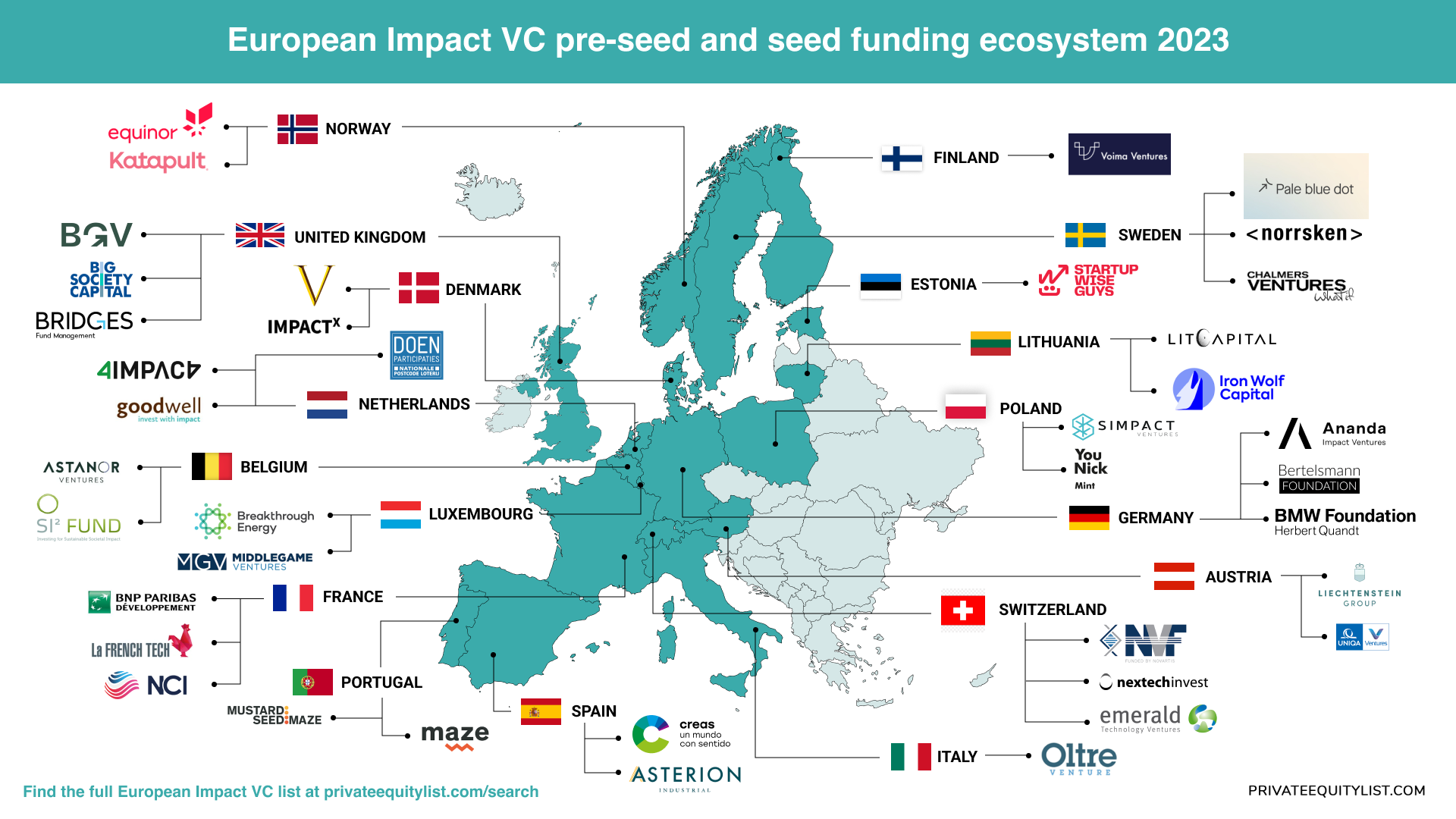
DeepNorth from Sweden, Nest VC in Finland, and Materia Partners in Milan further highlight how smaller funds are emerging even outside traditional European capital hubs, benefitting from regional accelerators and corporate collaborations.
How did LPs and founders align? Lessons from their strategies
From what I’ve seen, the alignment between GPs (General Partners who manage funds) and their LPs often defines success for first-time funds. This alignment wasn’t just a lucky coincidence but a result of intentional, relentless communication and focus. They asked themselves two key questions: “What gaps are going unmapped by established funds?” and “How can we bring operational value beyond capital?”
- Onstage targeted underfunded pre-seed founders in AI and consumer tech, offering personalized mentorship and tight network introductions.
- Catalpa Ventures honed in on entrepreneurs neglected by massive health tech funds and created measurable milestones for funding rounds.
- Helm courted LPs with a precise knowledge of Europe’s climate policies, a need no other Berlin fund was addressing.
This is where I see the future of VC heading. Funds of the future will continue to prioritize small but focused approaches, crafting actionable plans for how every investment can create outsized impact.
What can startups learn from these funds?
If you’re a founder reading this, don’t just look at funding as a way to get to your next milestone. These first-time VCs often emphasized personalized mentorship that startups typically find invaluable. In return, startups aligned themselves deeply with partners who shared their values and strategic visions.
- Lesson 1: Choose investors who actively bring value beyond the money, networks, industry insights, operational guidance.
- Lesson 2: Avoid over-optimizing growth at the cost of focus. Leapfrogging into success means having manageable ambitions, not “global domination” right away.
- Lesson 3: Be willing to partner with newer funds. They’re hungrier and more willing to fight for your equity story.
Final insights: Bold bets for rising ventures
As we move into 2026, what stands out most is how resilient and deliberate this wave of first-time funds was. They’ve modeled what adaptability means in financial ecosystems increasingly ruled by consistency and large-established players. As we move forward, there’s one takeaway: Fortune may favor founders who strategically align partnerships over short-term, headline-grabbing checks.
Founders dreaming big in Europe should use these new funds as blueprints for creating alliances that scale vision into reality. And LPs willing to take small risks on niche-focus GPs may, in time, reap immense rewards for betting on the unconventional.
FAQ About First-Time European VC Funds in 2025
What challenges did European first-time VC funds face in 2025?
In 2025, European first-time VC funds navigated significant challenges when entering the competitive market. A primary issue was Limited Partner (LP) conservatism, as LPs showed hesitance in committing capital due to stagnant IPO activity and sluggish market returns. Furthermore, dominant funds like Atomico and Balderton raised massive “megafunds,” making it harder for debut funds to secure investors. The congestion in the VC landscape also created an imbalance, with startups leaning toward fewer, more substantial deals. Despite these hurdles, new funds managed to carve a space by focusing on niche sectors like AI, deeptech, and climate tech while leveraging operator-led strategies. Learn more about first-time VC challenges
What are some notable examples of first-time VC funds launched in 2025?
Several notable first-time European VC funds stood out in 2025 with innovative strategies and sector-focused theses. Examples include the UK-based Onstage, dedicated to early-stage AI and consumer tech with a £10 million fund, and Luxembourg’s Catalpa Ventures, targeting healthtech with €10 million. Paris-based Volta Ventures invested €63 million in SaaS and deeptech projects, while Berlin’s Helm closed an impressive €72 million to focus on climate and industrial tech innovations. These funds showed geographic diversity and honed in on niche areas to create outsized impact. Discover Volta Ventures and others
Why did emerging European VC funds emphasize operator-led strategies?
In a market rife with tightening financial resources, emerging European VC funds took a unique approach by focusing on operator-led strategies. These funds were often managed by individuals with hands-on entrepreneurial or operational experience, allowing them to offer value beyond financing. They provided startups with mentorship, strategic advice, and tailored connections, differentiating themselves from traditional investors. Operators were particularly attractive to LPs in 2025, as their real-world expertise aligned with rising demand for actionable, sector-specific insights. Learn more about operator-led VC strategies
How did LPs and new European funds align in 2025?
The alignment between LPs and European debut funds in 2025 stemmed from mutual interests in focused, impact-driven investments. Funds like Helm in Berlin demonstrated unparalleled knowledge in emerging trends like Europe’s climate policies, attracting LPs keen to support sustainable ventures. Similarly, funds like Catalpa Ventures created measurable and goal-oriented milestones in healthtech investments, appealing to family offices. LPs placed their trust in smaller, niche funds, betting on deep sectoral expertise and specialized investment theses. See how Helm attracted LPs
What can startups learn from first-time VC funds in Europe?
Startups can glean several critical lessons from the strategies of European debut VC funds in 2025. First, these funds demonstrated the value of personalized, hands-on mentorship over merely providing financial resources. Secondly, startups should focus on building genuine partnerships with VCs who share their vision, as evidenced by Onstage's focused mentorship for early consumer tech founders. Lastly, startups should not shy away from newer funds, as they can often bring fresher perspectives and higher levels of engagement. Understand benefits of newer funds
How do these funds influence the broader European startup ecosystem?
The emergence of first-time VC funds in 2025 reshaped the European startup ecosystem by fostering diversity and specialization. These funds often targeted underrepresented sectors like climate tech, deeptech, and healthtech, diversifying investment pipelines. Additionally, regional hubs outside traditional markets (e.g., Nordic countries and Southern Europe) gained traction. By focusing on creating long-term value instead of short-term returns, these funds set a precedent for impact-driven investment in Europe. Explore European startup trends
Which regions and sectors saw the most activity among first-time funds?
First-time European VC funds in 2025 demonstrated wide geographic and sectoral diversity. The UK remained an innovation hub, with funds like Onstage targeting AI and consumer tech. France and Germany saw strong activity, with funds such as Volta Ventures and Helm. Meanwhile, the Nordics (e.g., DeepNorth in Sweden) embraced deeptech and sustainability, while Southern European funds (e.g., Materia Partners) targeted healthtech and greentech. This shift indicated a growing balance between established and emerging markets. Find out why the Nordics are critical
How are LPs judging first-time funds' success metrics?
LPs judging first-time European VC funds in 2025 focused on clear, achievable milestones and unique theses. Funds like Catalpa Ventures, for example, delved into measurable healthtech contributions. The ability of GPs (General Partners) to deliver both financial returns and broader operational guidance played a huge role in success. LPs also sought transparency and communication regarding fund strategy, especially with challenging exit conditions still prevalent in Europe. Learn how LPs are making decisions
Why is niche-focus important in the success of first-time funds?
Niche-focus was a defining feature of first-time European VC funds in 2025. Funds that specialized in targeted areas like industrial tech (Helm) or SaaS and deeptech (Volta Ventures) were able to stand out in crowded markets. By adopting narrowly defined strategies, these funds attracted both startups and LPs looking for tailored expertise. This approach not only reduced competition but also increased the probability of achieving better-aligned investments. Dive into niche fund strategies
What is the future outlook for European venture capital post-2025?
Following the resilience displayed by Europe’s new VC funds in 2025, the outlook for 2026 appears promising. Emerging trends like climate tech, AI, and deeptech will likely see continued investment, as funds align closely with policy shifts and global priorities. Debut funds are predicted to focus further on operational value, offering tailored guidance to startups. Additionally, regional hubs beyond traditional markets (e.g., Nordics, Southern Europe) are expected to grow in VC activity. Check European VC trends for 2026
About the Author
Violetta Bonenkamp, also known as MeanCEO, is an experienced startup founder with an impressive educational background including an MBA and four other higher education degrees. She has over 20 years of work experience across multiple countries, including 5 years as a solopreneur and serial entrepreneur. Throughout her startup experience she has applied for multiple startup grants at the EU level, in the Netherlands and Malta, and her startups received quite a few of those. She’s been living, studying and working in many countries around the globe and her extensive multicultural experience has influenced her immensely.
Violetta is a true multiple specialist who has built expertise in Linguistics, Education, Business Management, Blockchain, Entrepreneurship, Intellectual Property, Game Design, AI, SEO, Digital Marketing, cyber security and zero code automations. Her extensive educational journey includes a Master of Arts in Linguistics and Education, an Advanced Master in Linguistics from Belgium (2006-2007), an MBA from Blekinge Institute of Technology in Sweden (2006-2008), and an Erasmus Mundus joint program European Master of Higher Education from universities in Norway, Finland, and Portugal (2009).
She is the founder of Fe/male Switch, a startup game that encourages women to enter STEM fields, and also leads CADChain, and multiple other projects like the Directory of 1,000 Startup Cities with a proprietary MeanCEO Index that ranks cities for female entrepreneurs. Violetta created the “gamepreneurship” methodology, which forms the scientific basis of her startup game. She also builds a lot of SEO tools for startups. Her achievements include being named one of the top 100 women in Europe by EU Startups in 2022 and being nominated for Impact Person of the year at the Dutch Blockchain Week. She is an author with Sifted and a speaker at different Universities. Recently she published a book on Startup Idea Validation the right way: from zero to first customers and beyond, launched a Directory of 1,500+ websites for startups to list themselves in order to gain traction and build backlinks and is building MELA AI to help local restaurants in Malta get more visibility online.
For the past several years Violetta has been living between the Netherlands and Malta, while also regularly traveling to different destinations around the globe, usually due to her entrepreneurial activities. This has led her to start writing about different locations and amenities from the point of view of an entrepreneur. Here’s her recent article about the best hotels in Italy to work from.