

TL;DR: Lower-middle-class habits reflect resourcefulness, resilience, and budgeting ingenuity
Lower-middle-class families practice habits like reusing items, strict heating schedules, meal rotation, bulk-buying essentials, and DIY repairs to balance financial constraints with daily needs. These actions may puzzle wealthier households but highlight an adaptive mindset. Each practice reflects a unique way of managing limited resources, offering lessons in creativity and sustainability.
These insight-driven behaviors can benefit anyone looking to optimize their resources. For more inspiration on resourceful living and business strategies, explore powerful life hacks for entrepreneurs here.
Check out other fresh news that you might like:
Startup News: Steps and Lessons from Accenture’s Acquisition of Faculty in 2026
Startup News: Key Updates and Benefits of Zapier Automation Tools in 2026
Startup News: Key Lessons and Reasons Bulgaria’s Top Startups Are Making Waves in 2026 and Beyond
8 Things Lower-Middle-Class People Do at Home That Wealthy Families Find Completely Baffling
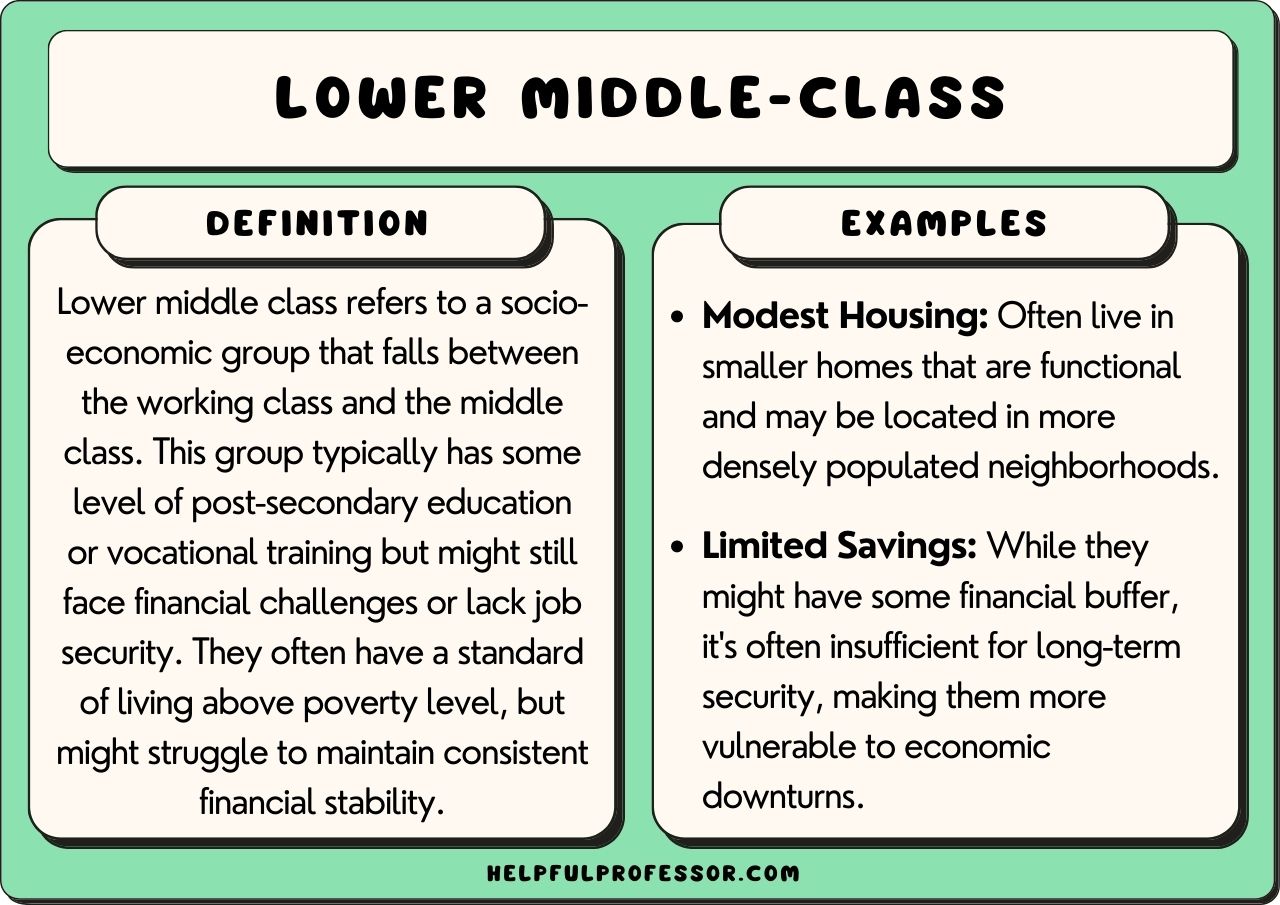
What if the very habits you grew up with could spark the curiosity, and sometimes confusion, of wealthy families? In 2026, the class divide isn’t just about financial income; it’s visible in the distinct ways people live their lives within the walls of their homes. Economic pressures and creativity often collide in fascinating ways, and as someone who has built businesses across Europe and observed cultural nuances, I’m here to dive into the small-but-revealing household habits of lower-middle-class families that wealthy households struggle to understand. Let’s explore these behaviors, and how they might offer insights into resourcefulness, resilience, and the broader equity conversation.
What are the habits that confuse wealthy families?
Lower-middle-class families have unique strategies for saving money, creating comfort, and managing resources, and these often leave wealthier households scratching their heads. From how they organize their homes to their meal habits, these behaviors tell stories of resourcefulness and pragmatism. Wealthy families, with greater financial flexibility, often overlook or dismiss these approaches as unnecessary. But are they really? Let’s dive into eight lifestyle differences, including key statistics, psychological insights, and examples.
1. Saving and repurposing items
Packing cupboards full of re-used margarine tubs, glass jars, and randomly kept plastic bags is a common sight in lower-middle-class homes. These items are kept ‘just in case’, a mentality that wealthy families often find wasteful or cluttered. To the wealthy, replacing items is more convenient; for lower-middle-class families, the drawer filled with potential reusable containers is a symbol of financial safety.
- All-purpose emergency items: screws, spare hardware, or mismatched Tupperware lids.
- Creative applications for re-used packaging, like turning jars into storage containers.
- Psychological insight: This habit stems from an ingrained scarcity mindset.
2. Strict heating schedules
Winter heating becomes an art form when sticking to preset hours. Lower-middle-class homes rarely heat their spaces around-the-clock, relying on thick blankets and extra layers instead. Wealthy families, accustomed to warming rooms on demand, struggle to grasp why anyone would sacrifice comfort for such rigid rules. This practical behavior is directly tied to energy bills and budget constraints, which are often overlooked by the financial elite.
- Timely heating, often limited to one hour in the morning and evening.
- Alternate strategies like heated water bottles or an extra jumper.
- Economic trends: Rising energy costs have amplified this habit in Europe.
3. Eating meals on rotation
For lower-middle-class families, meal planning revolves around efficiency and affordability, think shepherd’s pie on Monday, spaghetti on Tuesday, soup from leftovers on Wednesday. Experimental menus are rare, leaving wealthier households puzzled by the simplicity and predictability. These dishes become traditions, where practicality overlaps with emotional value and comfort.
- Simple weekly menus: limited variety to reduce waste and cost.
- Foundational meals: Meat-based pies, mashed potatoes, occasionally stretched into leftovers.
- Insight: Tradition and practicality outweigh the need for culinary experimentation.
4. Bulk-buying essential goods
If beans, toilet rolls, and toothpaste go on sale, you can bet a lower-middle-class parent is stocking up in bulk. This behavior drives wealthy families nuts, why not just buy items when you need them? The answer is simple: bulk buying is a financial buffer that shields families from unpredictable price hikes. It’s pre-emptive financial planning at its finest.
- Stockpiles of groceries or hygienics during sales.
- Top budget buffers: Long-lasting staples like dry pasta.
- Stat: In the UK, bulk grocery shopping grew by over 15% in lower-income families in 2025.
5. DIY fixes and home repairs
Grab the toolbox, we’re fixing it ourselves! Whether it’s plumbing, car repairs, or sewing buttons, DIY repairs are a lower-middle-class staple. Wealthy families, who rely on specialized professionals, often don’t relate to this self-reliant mindset. The time investment is worth it when you can save hundreds in repair bills.
- DIY projects: Fixing leaky taps, painting walls, patching up clothing.
- Examples: Fifteen-year-old cars kept running through consistent tinkering.
- Skill-building: Many families pass these repair habits down generations.
These eight habits reflect both the financial pressures and ingenuity that define a lower-middle-class lifestyle. While they may seem baffling to wealthy families, they serve as a reminder of the resilience and resourceful spirit that exists across social classes.
Want to better understand practical ways to manage money or learn resourceful life hacks? Explore more insights at this comprehensive resource for families navigating the same realities.
FAQ
What are some habits of the lower-middle class at home that surprise wealthy families?
Lower-middle-class homes often reveal resourcefulness born out of necessity. Key behaviors include bulk-buying essentials, rigid meal planning, and under-heating homes to save energy. These actions may seem puzzling to wealthier families but are rooted in managing tight budgets and safeguarding against financial uncertainty. For instance, families often save jars and plastic bags for reuse or buy food in bulk during sales. These habits aren't just about money, it's about creating security through thriftiness and planning. Discover more about financial strategies for resourceful living
Why do lower-middle-class families often reuse items like jars and bags?
Reusing items like jars, margarine tubs, and tin foil is common in lower-middle-class households. This stems from a scarcity mindset; items are kept "just in case" they’re needed later, reducing the expense of buying new ones. For wealthier families, this behavior might seem excessive or unnecessary. However, it reflects a practical approach to maximizing resources and reducing waste. This concept aligns with eco-friendly practices that startups are also embracing. Learn more about sustainability trends among entrepreneurs
What does heating on a strict schedule reveal about lower-middle-class households?
Lower-middle-class families often use strict heating schedules, warming their homes only during specific times to reduce energy bills. Wealthier families, accustomed to turning on heating systems at-will, may find this baffling. Rising energy costs in Europe have exacerbated this behavior. It highlights budgeting priorities, especially for essentials like utilities. Want to explore how mindset and priorities shape financial habits? Build the right mindset for sustainable self-management
How does meal rotation simplify life for lower-middle-class families?
In lower-middle-class homes, meals like shepherd's pie or spaghetti appear on rotation weekly. Cooking predictable dishes simplifies grocery shopping and minimizes waste. Wealthy households might perceive this predictability as limiting, but it represents practicality and cultural traditions, plus it preserves emotional comfort tied to familiar meals. See how planning and efficient living impact success
Why do lower-income families stockpile groceries and hygiene products?
Stockpiling items like canned food or toothpaste when they’re on sale is common in lower-middle-class homes. While some wealthier families prefer to shop as needed, bulk buying allows families on tight budgets to create financial buffers. It’s a small-scale strategy for managing risks like inflation or emergency shortages, a practice mirrored in startup planning strategies. Discover scalable financial planning tips
How does DIY differ between lower and upper social classes?
DIY repairs, such as fixing taps, sewing buttons, or maintaining old cars, are hallmarks of lower-middle-class resilience. Wealthier families tend to hire professionals for such tasks, believing time is better spent elsewhere. DIY, however, not only saves money but also fosters a sense of accomplishment and skill development, sentiments often echoed in entrepreneurial communities. Explore habits that build resilience
Why do lower-income households prioritize maximizing food use?
Throwing away food is rare in lower-income households due to the cost-conscious nature tied to mealtime. Leftovers are reused creatively, soups made from scraps, or stale bread for pudding. This practice ensures nothing goes to waste, a habit that wealthier families might overlook but holds significant value when managing scarce resources.
Why do lower-middle-class families opt for free experiences over luxury outings?
Lower-middle-class families often make weekend plans around free activities such as going to parks or using library resources. This choice maximizes value without putting additional strain on the budget. Wealthier families may select outings based on preference rather than affordability, emphasizing differing perspectives on leisure.
How does financial planning impact both lower-middle-class and entrepreneurial behaviors?
Financial planning in lower-middle-class homes, such as bulk buying or meal rotations, aligns closely with strategies in entrepreneurship, where conserving resources can be key to scaling startups. Whether it’s for everyday living or building a business, deliberate spending choices create long-term benefits. Discover actionable strategies for financial resource management
What can entrepreneurs learn from the financial habits of the lower middle class?
Lower-middle-class families demonstrate resourcefulness akin to startup founders, maximizing resources, budgeting wisely, and staying prepared for uncertainties. Adopting such disciplined habits ensures stable foundations, whether running a household or building a business. See how founders can learn from practical resource management
About the Author
Violetta Bonenkamp, also known as MeanCEO, is an experienced startup founder with an impressive educational background including an MBA and four other higher education degrees. She has over 20 years of work experience across multiple countries, including 5 years as a solopreneur and serial entrepreneur. Throughout her startup experience she has applied for multiple startup grants at the EU level, in the Netherlands and Malta, and her startups received quite a few of those. She’s been living, studying and working in many countries around the globe and her extensive multicultural experience has influenced her immensely.
Violetta is a true multiple specialist who has built expertise in Linguistics, Education, Business Management, Blockchain, Entrepreneurship, Intellectual Property, Game Design, AI, SEO, Digital Marketing, cyber security and zero code automations. Her extensive educational journey includes a Master of Arts in Linguistics and Education, an Advanced Master in Linguistics from Belgium (2006-2007), an MBA from Blekinge Institute of Technology in Sweden (2006-2008), and an Erasmus Mundus joint program European Master of Higher Education from universities in Norway, Finland, and Portugal (2009).
She is the founder of Fe/male Switch, a startup game that encourages women to enter STEM fields, and also leads CADChain, and multiple other projects like the Directory of 1,000 Startup Cities with a proprietary MeanCEO Index that ranks cities for female entrepreneurs. Violetta created the “gamepreneurship” methodology, which forms the scientific basis of her startup game. She also builds a lot of SEO tools for startups. Her achievements include being named one of the top 100 women in Europe by EU Startups in 2022 and being nominated for Impact Person of the year at the Dutch Blockchain Week. She is an author with Sifted and a speaker at different Universities. Recently she published a book on Startup Idea Validation the right way: from zero to first customers and beyond, launched a Directory of 1,500+ websites for startups to list themselves in order to gain traction and build backlinks and is building MELA AI to help local restaurants in Malta get more visibility online.
For the past several years Violetta has been living between the Netherlands and Malta, while also regularly traveling to different destinations around the globe, usually due to her entrepreneurial activities. This has led her to start writing about different locations and amenities from the point of view of an entrepreneur. Here’s her recent article about the best hotels in Italy to work from.