
TL;DR: Illinois Data Breach Exposes Security Risks and Lessons for Entrepreneurs
The Illinois Department of Human Services inadvertently exposed sensitive data of over 700,000 residents, including Medicaid and Medicare users, due to poorly configured privacy settings in an internal tool, a breach that lasted four years.
• The exposed data included addresses, program-related information, and even names of vulnerable individuals.
• Entrepreneurs should not dismiss such lapses as government-only problems; compliance audits, data mapping, and cybersecurity literacy are critical safeguards in any business.
• European startups under stricter GDPR mandates can turn compliance into a competitive advantage for global trust.
For startups handling sensitive data, implementing proactive governance, security reviews, and GDPR-compliant tools is essential. Learn more about safeguarding your startup by exploring this guide to trust-building compliance.
Act now to secure your data environment and fortify trust before vulnerabilities lead to irreparable damage.
Check out other fresh news that you might like:
AI News: 5 Lessons and Tips for Startup Success in Personalized Search Engines by 2026
Startup News: Key Lessons and Examples from Europe’s Hardware Renaissance at CES 2026
Startup News: How to Update HubSpot Records with Zapier MCP – Benefits, Mistakes, and Guide for 2026
Startup News: 8 “Lazy” Life Tips Smart People Use in 2026 (and Success Hard Workers Secretly Want)
The Illinois Department of Human Services (IDHS) has found itself at the center of a data breach scandal, a shocking example of internal security failure plaguing public sector agencies. Over 700,000 residents in Illinois, including vulnerable Medicaid and Medicare users as well as disabled individuals, had their private details left exposed for over four years due to an unconcealed mapping tool. As a tech entrepreneur, data privacy advocate, and European businesswoman navigating regulatory systems, I can’t help but notice the lapse here was entirely preventable. This is more than an oversight; it’s a debacle that speaks to system-level flaws haunting many organizations. But like all mistakes, it also forces us to hold mirrors to our vulnerabilities.
What Happened During the Illinois Data Breach?
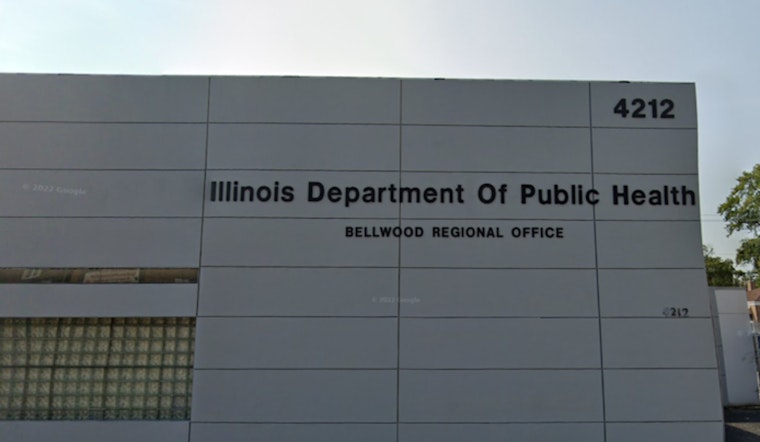
Between April 2021 and September 2025, IDHS unintentionally exposed sensitive data on an internal mapping platform used for decision-making on resource allocation. Due to misconfigured privacy settings, information from over 672,000 Medicaid and Medicare recipients and about 32,400 individuals from the Division of Rehabilitation Services was publicly accessible. The exposed data mostly included addresses and program-related information, although for disabled individuals, it even included names. Thankfully, this disaster didn’t yield evidence of misuse, but not knowing who accessed the data is worrisome in itself.
Imagine being a startup founder where even minor regulatory oversights can result in losing customer trust, cutting capital, or worse, untangling expensive lawsuits. Now, scale those stakes to a public department handling lives at scale. Here’s why this story matters for entrepreneurs worldwide.
How Do Public Lapses Reflect on Private Sector Standards?
Many entrepreneurs might think, “Well, I don’t work for the government, so what does this mean for me?” Here’s the uncomfortable truth: as regulations for industries like healthcare tech and fintech tighten globally, stories like this become roadmaps to avoid errors companies often don’t see coming. Investors and customers alike are increasingly probing data privacy frameworks before they trust businesses. The Illinois breach serves as a prime reminder of why data mapping, compliance audits, and robust cybersecurity literacy aren’t just luxuries, they’re survival tools.
And What About Entrepreneurs in Europe?
In Europe, startups face tighter GDPR compliance mandates compared to their American counterparts. As someone embedded in European ecosystems, I know compliance can feel less like “opportunity” and more like administrative weight. But cases like Illinois reveal why such “weights” are lifeboats too. While tougher compliance may seem like a blocker, regulatory certifications can also form invaluable trust capital that US-based startups, prone to cybersecurity slip-ups, can’t always match. Positioning yourself as secure and compliant becomes a vital differentiator.
Learn From Illinois: Don’t Repeat These Mistakes
- Audit Your Data Environment: One poorly configured tool, such as IDHS’s mapping platform, can land your company in catastrophic territory. Regular security checks for every tool used to handle sensitive data can prevent years of exposure.
- Don’t Rely Solely on Internal Resources: IDHS’s internal team may have lacked expertise in public-facing tech settings. Engage external experts or companies specifically skilled in penetration testing and compliance verifications.
- Ensure Detailed Data Logs: The Illinois breach showcases a worst-case scenario regarding unidentified exposure. As a founder, implementing advanced logging and transparency tools allows for both immediate alerts and post-factum damage control.
- Over-Communicate Security Policies: Could part of the breach have been avoided with employee training? Entrepreneurs should embed cybersecurity modules into onboarding to build company-wide awareness irrespective of an employee’s role type.
How Can Startups Safeguard Against Breaches Long-Term?
Practically speaking, proactive compliance saves headaches not only in Europe but in any serious jurisdiction. Grounding your company in strong frameworks early creates less friction externally and allows for internal agility when adapting to growth. Here’s a game plan:
- Define ownership: Assign specific personnel the responsibility of overseeing data protocols, supported by explicit KPIs tied to governance and not just functional goals.
- Normalize security reviews: Just like recurring engineering sprints, include security-enhancement “retro” sessions quarterly with your technical team.
- Create “incident tables”: Sit down with your product team and draft scenarios where security could fail. Pre-visualize solutions so future chaos becomes manageable.
- Use GDPR-compliant tools even in non-European markets: Think of these tools like going vegan, not mandatory, but they upgrade your appeal to global markets including the US.
Conclusion: Risk Isn’t an Excuse for Negligence
The Illinois data breach demonstrates how seemingly minor oversights can spiral catastrophically when left unchecked. For entrepreneurs, especially in industries handling sensitive data, it’s non-negotiable to treat cybersecurity and compliance as part of your strategy, not an afterthought. Data privacy guarantees will increasingly define not just where users spend their money but where funding flows. Build trust before you’re forced to rebuild it.
European founders, especially, have a chance to double down by aligning tightly with growing global privacy shifts. While compliance is often painted as restrictive, predictions point increasingly toward consumer trust deciding who succeeds. The question for us all isn’t whether breach risks will grow, it’s whether you’re systematically building to eliminate them. Let Illinois remind us: audited data stays protected; unchecked tech, much less so.
FAQ on Illinois Department of Human Services Data Breach
What led to the Illinois Department of Human Services data breach?
The Illinois Department of Human Services (IDHS) suffered a breach because sensitive data was uploaded onto a publicly accessible mapping tool without proper privacy protections in place. This mapping tool was meant to assist in resource allocation for Medicaid and Medicare recipients and the Division of Rehabilitation Services. Unfortunately, due to misconfigured settings, private information was publicly viewable from April 2021 to September 2025. Learn more about how to implement secure data practices as a startup founder.
What kind of data was exposed in the IDHS breach?
The breach exposed data from over 700,000 Illinois residents, including Medicaid and Medicare recipients and patients of the Division of Rehabilitation Services. The information included addresses, case numbers, and program statuses. In some cases, data for disabled individuals also included names. Personal health information (PHI) was at the core of this exposure, highlighting the need for HIPAA compliance. Explore secure tech solutions for entrepreneurs here.
Was any evidence found of data misuse in this breach?
Officials with the IDHS stated there was no direct evidence to show misuse of the exposed data during the four years that it remained publicly accessible. However, they admitted no definitive way to determine who viewed or potentially misused the data. Learn about how female-led startups build cybersecurity resilience in today’s data-driven world.
How is this incident relevant to startup founders or entrepreneurs?
Data breaches like the IDHS case serve as critical lessons for private companies. Entrepreneurs handling sensitive customer or health-related data need to prioritize compliance audits and cybersecurity frameworks to avoid similar accidental exposures. Moreover, such lapses could destroy customer trust and result in legal repercussions. Discover the 7 essential startup skills every female founder must master.
How could stronger compliance measures have prevented the breach?
The breach could have been avoided with regular compliance audits, advanced access control, and secure IT infrastructure. Startups, especially in regulated sectors like healthcare or finance, must incorporate regular penetration testing and adopt a proactive compliance-first approach. For European entrepreneurs, GDPR-aligned tools provide a robust framework. Learn why compliance is a growth enabler for startups.
What consequences did the IDHS face for this incident?
The IDHS has adopted stricter measures to ensure such a breach doesn’t occur again. However, public scrutiny and loss of trust have been significant setbacks. Founders can learn why fostering transparency during crises can mitigate reputational damage. Explore how female founders turn challenges into opportunities.
What can entrepreneurs learn from the Illinois data breach?
The breach offers valuable lessons, including emphasizing proper security configurations, building team-wide cybersecurity awareness, and using GDPR-compliant systems when processing private or sensitive data. Entrepreneurs should proactively analyze their vulnerabilities. Discover resources to fortify your startup security.
How can startups audit their data environments effectively?
Startups must conduct regular checks of their IT systems and platforms. Using third-party cybersecurity services for penetration testing and forensic audits is a practical approach. These assessments help identify misconfigurations, such as the one that led to this breach. Learn how European founders integrate these checks into their workflows in our specialized startup enhancement guides.
What specific actions did IDHS take after the breach?
Post-breach, IDHS updated the privacy settings of all mapping tools and implemented a Secure Map Policy to restrict access to customer data. They also began utilizing role-specific permissions to limit unnecessary exposure. Founders can adopt similar role-based access control to avoid unauthorized data access.
Why is data privacy compliance especially critical for healthcare startups?
Healthcare startups deal with sensitive and regulated data, making them vulnerable to severe penalties in case of exposure. Ensuring compliance with frameworks like HIPAA (in the U.S.) or GDPR (in Europe) not only avoids fines but also establishes trust with customers and partners. Learn how compliance builds brand authority.
About the Author
Violetta Bonenkamp, also known as MeanCEO, is an experienced startup founder with an impressive educational background including an MBA and four other higher education degrees. She has over 20 years of work experience across multiple countries, including 5 years as a solopreneur and serial entrepreneur. Throughout her startup experience she has applied for multiple startup grants at the EU level, in the Netherlands and Malta, and her startups received quite a few of those. She’s been living, studying and working in many countries around the globe and her extensive multicultural experience has influenced her immensely.
Violetta is a true multiple specialist who has built expertise in Linguistics, Education, Business Management, Blockchain, Entrepreneurship, Intellectual Property, Game Design, AI, SEO, Digital Marketing, cyber security and zero code automations. Her extensive educational journey includes a Master of Arts in Linguistics and Education, an Advanced Master in Linguistics from Belgium (2006-2007), an MBA from Blekinge Institute of Technology in Sweden (2006-2008), and an Erasmus Mundus joint program European Master of Higher Education from universities in Norway, Finland, and Portugal (2009).
She is the founder of Fe/male Switch, a startup game that encourages women to enter STEM fields, and also leads CADChain, and multiple other projects like the Directory of 1,000 Startup Cities with a proprietary MeanCEO Index that ranks cities for female entrepreneurs. Violetta created the “gamepreneurship” methodology, which forms the scientific basis of her startup game. She also builds a lot of SEO tools for startups. Her achievements include being named one of the top 100 women in Europe by EU Startups in 2022 and being nominated for Impact Person of the year at the Dutch Blockchain Week. She is an author with Sifted and a speaker at different Universities. Recently she published a book on Startup Idea Validation the right way: from zero to first customers and beyond, launched a Directory of 1,500+ websites for startups to list themselves in order to gain traction and build backlinks and is building MELA AI to help local restaurants in Malta get more visibility online.
For the past several years Violetta has been living between the Netherlands and Malta, while also regularly traveling to different destinations around the globe, usually due to her entrepreneurial activities. This has led her to start writing about different locations and amenities from the point of view of an entrepreneur. Here’s her recent article about the best hotels in Italy to work from.