
TL;DR: Go-to-Market Strategies for an AI Era
To thrive in an AI-powered world, businesses must prioritize AI-driven go-to-market strategies focusing on hyper-personalization, efficiency, and scalability. Key tactics include defining an Ideal Customer Profile (ICP) using AI analytics, targeting the right channels, leveraging AI for authentic network introductions, and scaling campaigns with data-driven insights. Avoid common mistakes like overcomplicated targeting, tool overload, and neglecting compliance regulations.
Startups aiming for success can explore AI-driven marketing strategies to refine their plans and gain a competitive edge. Ready to boost your startup’s growth? Dive into tools and community insights at Fe/male Switch.
Check out other fresh news that you might like:
AI News: Startup Tips and Expert Guide for Securing Speaker Spots at SMX Advanced 2026
Startup News: Key Reasons NousCoder-14B Steps Up Open-Source AI Coding Revolution in 2026
Startup News: Top 10 WordPress Plugins for Holiday Cheer – Benefits and Tips for 2026
Startup News: Key Lessons and Legal Steps from Elon Musk’s Lawsuit Against OpenAI in 2026
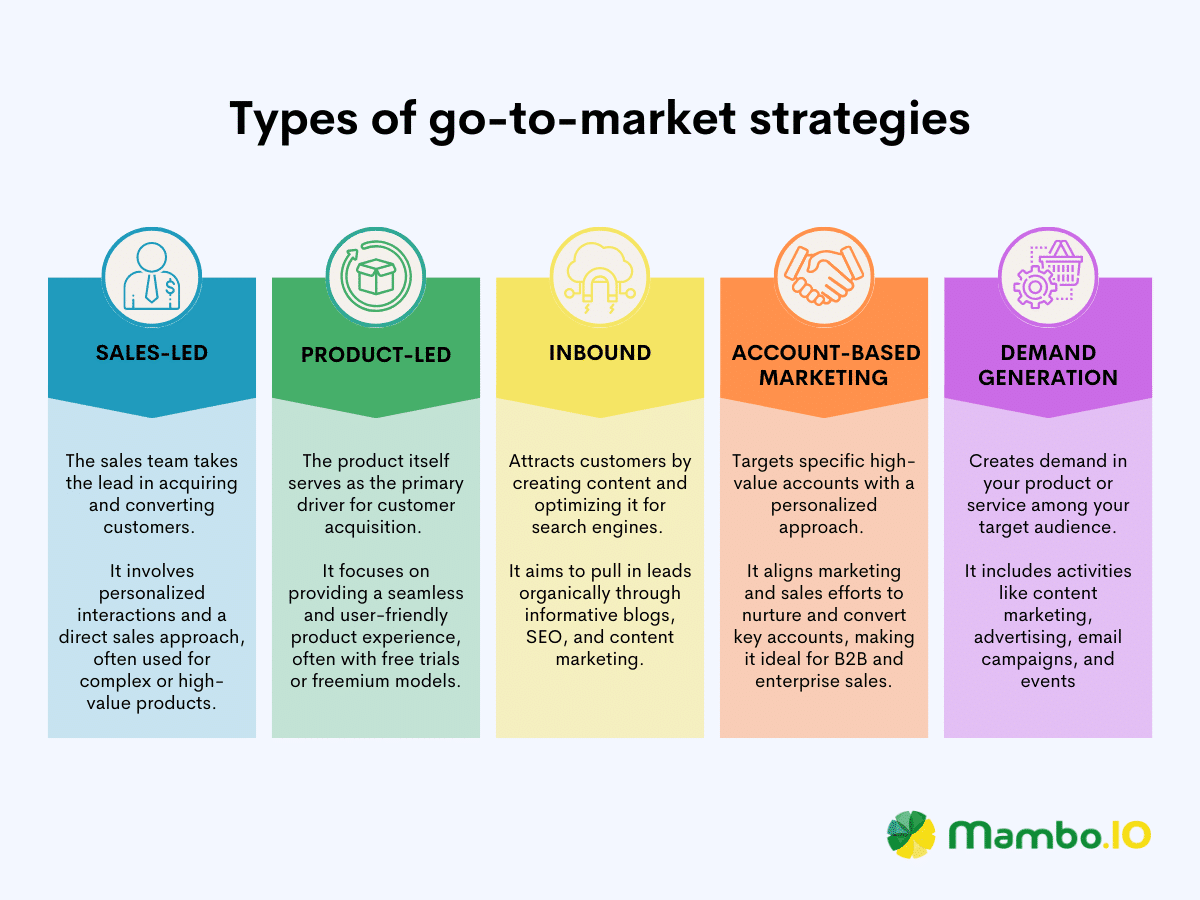
Go-to-Market Strategies for an AI Era
The rise of artificial intelligence (AI) is reshaping how businesses approach their go-to-market strategies. With changes happening at lightning speed, early-stage startups face fierce competition, leaving them searching for ways to stand out and build sustainable growth. Leveraging AI tools to craft hyper-personalized, efficient approaches has become not just a suggestion but a necessity. As a serial entrepreneur with a track record of building ventures in Europe, including through the innovative Fe/male Switch startup game, I’ve seen how AI is changing the playbook for entrepreneurs. Here’s a comprehensive look at how you can tailor a winning go-to-market plan that positions your company ahead in this AI-driven landscape.
What Makes AI the Game-Changer for Go-to-Market Strategies?
The traditional methods of launching a product or service are fading fast. AI has brought in unprecedented capabilities, such as automating lead generation, refining audience segmentation, and optimizing outreach. But with great power comes fresh challenges. For instance, in 2026, technical advantages disappear within months as competitors rapidly iterate. This has made distribution and unique customer connections the ultimate moat. To survive and grow in an AI-dominated era, you’ll need to rethink everything from targeting to execution.
- Hyper-personalization: AI allows incredibly granular audience segmentation so you can tailor your messaging for maximum impact.
- Efficiency: Automating repetitive tasks frees up resources for more strategic initiatives.
- Scalability: AI-driven campaigns can reach audiences globally with minimal manual adjustments.
But the question remains: how do you apply these capabilities in a practical, results-driven framework? Let’s break it down.
How to Build an AI-Focused Go-to-Market Strategy
Developing a go-to-market plan that leverages AI requires a streamlined approach. It’s not about jumping on every trendy tool; it’s about staying focused on your ideal customer profile (ICP) and tailoring your strategy around where it can make the biggest impact. Here’s how:
- Define Your ICP Clearly: Success starts with narrowing your Ideal Customer Profile. Use AI-powered tools like customer data platforms (CDPs) and predictive analytics to analyze behavioral patterns and refine your target audience. Companies like Drift excel in employing conversational AI to identify high-potential prospects.
- Pick the Right Channels: Early-stage startups often fail by stretching too thin across many outreach platforms. Instead, rely on data-driven insights to target one or two key distribution channels. Whether it’s LinkedIn for B2B or Instagram for consumer-facing products, AI tools like Hootsuite can track the effectiveness of your campaigns.
- Harness AI for Warm Introductions: Mapping connections is a forgotten art, but it shouldn’t be. Use tools like Affinity or Lusha to identify who can provide warm introductions in your network. Authenticity and curiosity when reaching out will create better outcomes than a cold pitch ever could.
- A/B Testing at Scale: Leverage generative AI to test and refine messaging rapidly. Tools like Persado use AI to craft messages that resonate with specific customer segments.
- Lean Into Distribution Strategy: A unique and robust distribution model is now non-negotiable. For example, open marketplaces like Shopify are experimenting with AI-guided customer shopping journeys that prioritize personalized recommendations.
By focusing on these five areas, you’re preparing your business to not only survive but thrive in a highly competitive space.
Common Mistakes to Avoid in AI Go-to-Market Planning
Even with the advantages AI provides, startups often fall into traps. Here’s what NOT to do:
- Overcomplicating the ICP: Trying to target too many segments dilutes your message. Specificity is key.
- Ignoring Warm Connections: Relying solely on cold emails wastes time. Build and nurture your network.
- Chasing Too Many Tools: Stay strategic in selecting your AI software instead of overloading your stack with every new platform on the market.
- Lack of Iteration: AI campaigns need thoughtful curation, not just automation. Review metrics regularly and adjust as needed.
- Skipping Compliance: As regulations tighten, especially in Europe, ensure your AI-driven data usage aligns with GDPR guidelines. Mishandling this can cost you credibility and hefty fines.
By avoiding these pitfalls, you’ll gain an operational edge that separates you from less-focused competitors.
What’s Next for AI in Go-to-Market Strategies?
Looking ahead, it’s clear that the marriage between human creativity and AI capabilities will drive innovation in go-to-market approaches. Three trends are especially worth watching:
- GEO-Targeting Replacing SEO: AI will refine geographical targeting with pinpoint accuracy, outperforming traditional search engine strategies.
- Integration with Conversational AI: From ChatGPT interfaces to voice assistants, conversations will take the forefront of customer engagement.
- AI-Driven Decision Making: Beyond recommendations, expect AI to take a lead role in suggesting business shifts based on real-time market analysis.
The companies that embrace these changes will find themselves leading the pack as the world transitions deeper into AI-driven processes.
Final Thoughts
AI isn’t just another tool, it’s a reshaping force for how businesses operate and interact with customers. For founders, this is both a challenge and an opportunity. Aligning your go-to-market strategies with AI’s strengths allows you to leave the pack of “copycat strategies” behind and build something truly defensible. My advice? Get personal, get focused, and use AI intelligently to scale smarter, not just faster.
Ready to start implementing AI-focused tactics in your startup? Let’s connect inside the growing Fe/male Switch founder community to explore and share successful strategies.
FAQ on Go-to-Market Strategies in an AI-Powered Landscape
What makes AI essential for a go-to-market strategy?
AI is vital for modern go-to-market strategies due to its ability to automate repetitive tasks, hyper-personalize customer outreach, and enable precise audience segmentation. With AI, startups can analyze behavioral patterns, optimize channel performance, and scale globally with minimal manual intervention. For example, tools like Drift leverage conversational AI to refine customer targeting, making outreach more efficient. Discover Drift and Its AI Capabilities
Why is hyper-personalization so important in the AI era?
Hyper-personalization is key to standing out in competitive markets, as AI enables nuanced audience segmentation that tailors messaging directly to individual needs. This targeted approach improves engagement and conversion rates exponentially. For startups looking to personalize at scale, platforms such as Persado generate AI-driven content optimized for different demographics. Explore Persado for Personalized Campaigns
How can startups define their Ideal Customer Profile (ICP) effectively?
Defining an ICP involves analyzing customer behavior, demographics, and preferences, which AI tools can streamline. Platforms like Upmetrics use predictive analytics to uncover customer patterns, enabling startups to focus on high-potential segments. With a crystal-clear ICP, founders can allocate resources effectively and improve ROI. Learn How Upmetrics Simplifies ICP Refining
What are the best AI tools for startup campaign management?
Hootsuite is ideal for tracking the effectiveness of campaigns across multiple channels, providing data insights that improve strategy adjustments. For A/B testing, platforms like SEMrush help refine messaging through AI-driven experiments at scale. Combining these tools can optimize outreach efforts while saving resources. Check Out Hootsuite for Streamlined Campaigns
How should startups approach channel selection in the AI age?
Instead of spreading thin over multiple platforms, startups should focus on one or two high-impact channels that align with their ICP. For instance, LinkedIn is often preferred for B2B companies, while Instagram suits consumer-facing startups. AI tools like Affinity assist in nurturing warm leads via network mapping and strategic introductions. Discover Affinity's Networking Features
What are common mistakes in AI-driven go-to-market strategies?
Some pitfalls include overcomplicating ICPs, chasing too many tools, and neglecting compliance with regional regulations like GDPR. Startups often fail to iterate intelligently, relying too much on automation without constantly reviewing metrics. Avoiding these errors ensures stronger execution and sustainable growth. Learn How to Avoid AI Marketing Pitfalls
What innovative trends could reshape AI-powered GTM strategies by 2026?
Upcoming trends include geo-targeting replacing SEO and conversational AI dominating customer interactions via voice assistants like ChatGPT interfaces. Additionally, AI may soon suggest business shifts in real-time using market analytics, making adaptability critical for future success. Learn About Future Trends
How can startups measure the success of their AI-driven strategies?
Success metrics may include conversion rates, customer lifetime value (CLV), and campaign ROI. AI tools offer dashboards for real-time analytics where founders can track performance and refine their approach. Consistent iteration based on data keeps strategies aligned with customer needs. Measure Success With Actionable Metrics
What role does customer authenticity play in an AI-dominated landscape?
As AI automates many facets of interaction, customer trust becomes a vital differentiator. Warm introductions and authentic networking build relationships that lead to better outcomes than impersonal cold pitches. Using tools like Lusha can help map connections, but true success lies in presenting genuine interest and commitment to solving customer challenges. Enhance Networking With Warm Intros
How can female founders implement AI-driven strategies effectively?
By leveraging AI to refine product-market fit, target the right channels, and scale efforts, female entrepreneurs can create focused, sustainable growth plans. Communities like Fe/male Switch offer resources, mentorship, and strategic encouragement tailored to female-led startups. Join Fe/male Switch Community
About the Author
Violetta Bonenkamp, also known as MeanCEO, is an experienced startup founder with an impressive educational background including an MBA and four other higher education degrees. She has over 20 years of work experience across multiple countries, including 5 years as a solopreneur and serial entrepreneur. Throughout her startup experience she has applied for multiple startup grants at the EU level, in the Netherlands and Malta, and her startups received quite a few of those. She’s been living, studying and working in many countries around the globe and her extensive multicultural experience has influenced her immensely.
Violetta is a true multiple specialist who has built expertise in Linguistics, Education, Business Management, Blockchain, Entrepreneurship, Intellectual Property, Game Design, AI, SEO, Digital Marketing, cyber security and zero code automations. Her extensive educational journey includes a Master of Arts in Linguistics and Education, an Advanced Master in Linguistics from Belgium (2006-2007), an MBA from Blekinge Institute of Technology in Sweden (2006-2008), and an Erasmus Mundus joint program European Master of Higher Education from universities in Norway, Finland, and Portugal (2009).
She is the founder of Fe/male Switch, a startup game that encourages women to enter STEM fields, and also leads CADChain, and multiple other projects like the Directory of 1,000 Startup Cities with a proprietary MeanCEO Index that ranks cities for female entrepreneurs. Violetta created the “gamepreneurship” methodology, which forms the scientific basis of her startup game. She also builds a lot of SEO tools for startups. Her achievements include being named one of the top 100 women in Europe by EU Startups in 2022 and being nominated for Impact Person of the year at the Dutch Blockchain Week. She is an author with Sifted and a speaker at different Universities. Recently she published a book on Startup Idea Validation the right way: from zero to first customers and beyond, launched a Directory of 1,500+ websites for startups to list themselves in order to gain traction and build backlinks and is building MELA AI to help local restaurants in Malta get more visibility online.
For the past several years Violetta has been living between the Netherlands and Malta, while also regularly traveling to different destinations around the globe, usually due to her entrepreneurial activities. This has led her to start writing about different locations and amenities from the point of view of an entrepreneur. Here’s her recent article about the best hotels in Italy to work from.